
Turn Chores Into Lively Cleanup Sprints Everyone Enjoys
Why Sprints Beat Marathons at Home
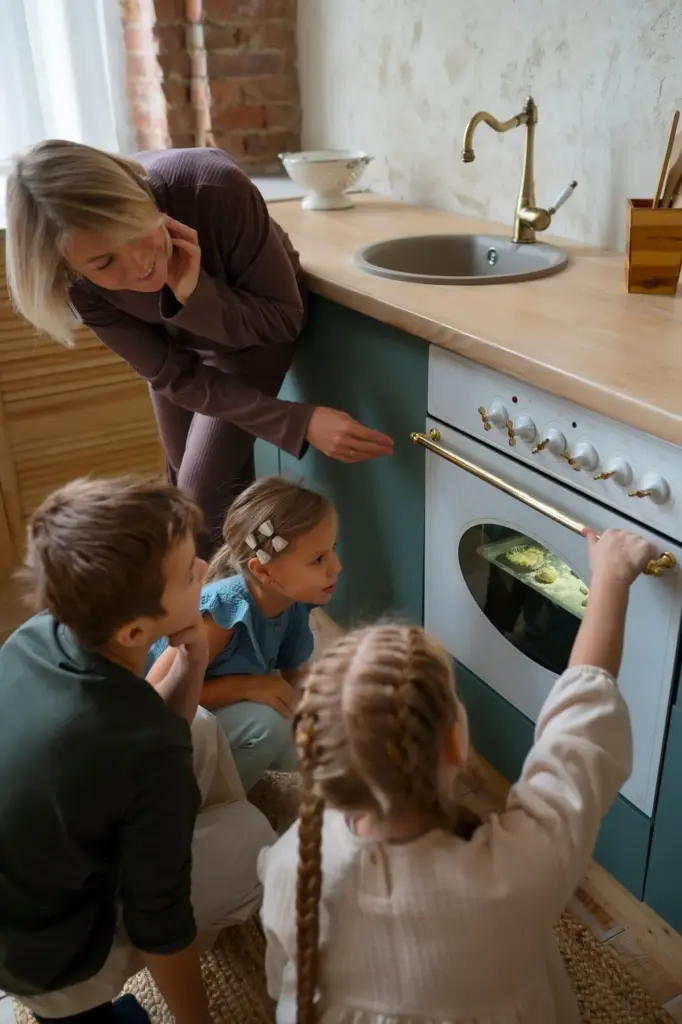
The Science of Short Bursts

Momentum Over Motivation

Shared Wins Build Habit
Designing Your Family Sprint System
Pick the Perfect Timer and Signal
Use a kitchen timer, phone app, smart speaker, or visual countdown that everyone can hear or see from a distance. Create a start cue—a cheerful chime, a favorite song intro, or a clap pattern—and a stop cue that feels satisfying. Add a two-minute warning to wrap tasks safely. Consistency matters more than the tool itself; the ritual becomes the real technology. Keep backups ready so equipment hiccups never derail the momentum you worked to build.
Create Clear Zones and Rotating Roles
Divide the home into straightforward zones—entry, living room, kitchen counters, bathroom surfaces, toy areas—then rotate assignments so nobody gets stuck with the least loved area forever. Post simple checklists at eye level to reduce questions during action. Roles like Timer Captain, Tool Runner, and Quality Checker can make participation feel special, not burdensome. Clear ownership speeds decisions, keeps people moving, and prevents the classic trap of everyone tidying the same corner while other areas languish.
Age-Wise Task Ideas Everyone Can Handle


Gamify the Routine Without the Chaos
Safety, Quality, and Sustainability in Speed
01
Safe Tools and Non-Toxic Supplies
Stock microfiber cloths, gentle sprays, and child-safe scrubbing brushes. Label everything with clear icons and keep sharp items secured. Teach simple tests like “sniff and step away” if a smell is strong, and always ventilate. Use gloves for adult jobs that need them, and never mix products. A dedicated basket for kid-approved tools removes uncertainty. When safety feels automatic, everyone moves confidently, and the sprint’s energy stays directed at progress rather than preventable mishaps.
02
Quality Check Rituals
End every sprint with a brief shared inspection: scan surfaces, straighten cushions, align baskets, and check floors for leftover items. Celebrate what went well, then quickly log any deeper tasks on a “later list.” This final minute protects standards without dragging energy. Over time, the ritual trains eyes to notice details earlier, so future sprints finish cleaner. Consistent review beats blunt criticism, nurturing pride while quietly raising the bar for results.
03
Sustainable Habits That Stick
Choose durable tools you will not replace monthly, refill bottles instead of tossing, and launder cloths in cool water when possible. Designate clearly labeled bins for recycling and donations, and include a tiny sorting moment in weekend sprints. Teach kids how small choices—turning off lights during daytime tidying, using the right cloth for the job—add up. Sustainability becomes a family identity, woven into the rhythm of speed and care, rather than an extra chore.
A Weekend Reset That Actually Stuck
From Resistance to Ritual
Small Spaces, Big Impact
Keep the Momentum: Weekly Plans and Community
Your Weekly Sprint Blueprint
Review Rituals to Improve
Join the Conversation
All Rights Reserved.