Switch On Focus in Minutes

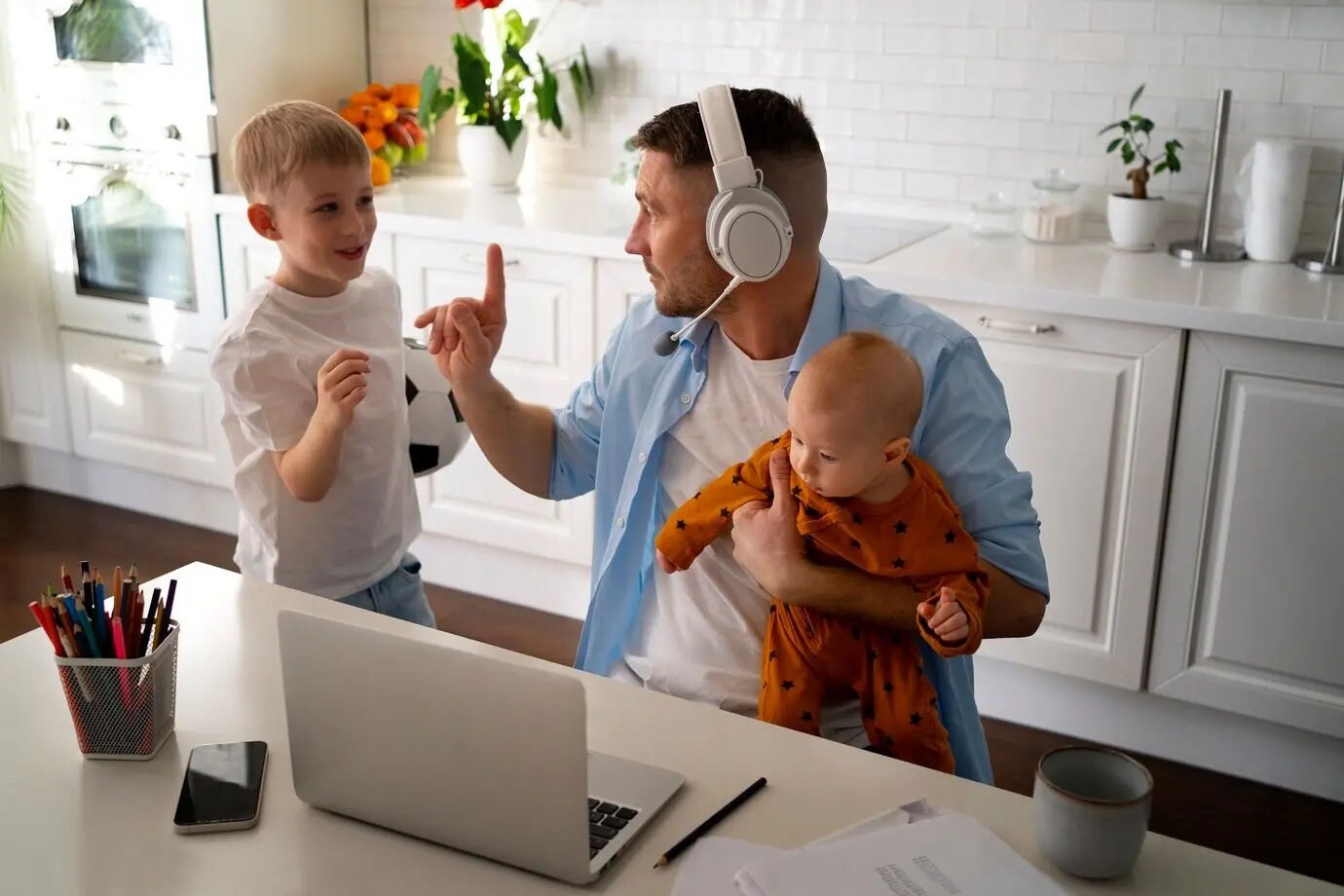
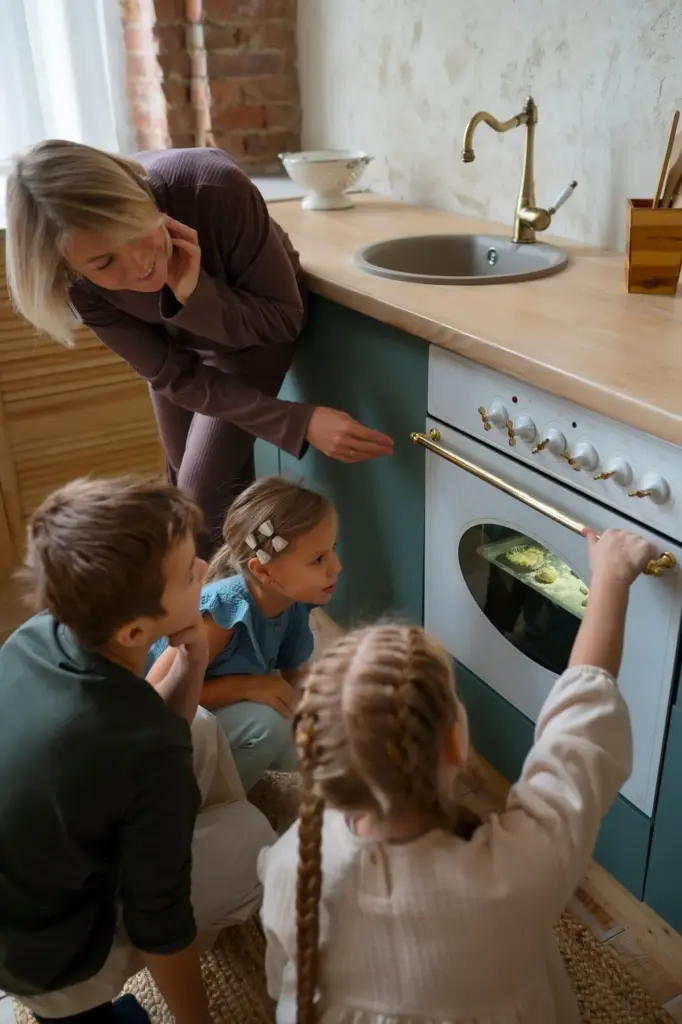
Today we dive into homework jumpstart rituals that get children focused fast, blending brain-friendly routines, playful cues, and compassionate coaching. Expect simple setups, science you can trust, and real stories that prove small, repeatable actions switch on attention quickly. Use these ideas tonight, adapt tomorrow, and watch confidence grow across subjects, ages, and busy schedules.

Build a Gentle Bridge Between Play and Work

Children move better across boundaries when guided by predictable, kind signals. Start with a sip of water, a ninety‑second stretch, and one calming breath together. Then set a friendly timer, name the first task, and place the pencil where the hand naturally rests.

Quick Wins that Spark Dopamine, Not Dependence

Small achievements fuel attention without leaning on screens. Use micro-goals like write two lines, solve one problem, or read three sentences, then mark a bold check. The visible win releases helpful dopamine, builds belief, and invites the next step without pressure or bribes.

Calm Co-Regulation Begins with You

Kids borrow calm from nearby adults. Before starting, lower your shoulders, lengthen your exhale, and notice your feet. Share a short script like I am here with you; we will start small; we can pause kindly. Your steadiness becomes their steadying lighthouse.

Set the Stage in Sixty Seconds

Preparation steals excuses. In one focused minute, clear a small surface, place materials within reach, and show a visual start cue. Reduce friction so effort targets thinking, not searching. The lighter the lift to begin, the faster attention snaps into place.

Tidy Just Enough to Start

You do not need perfection; you need clarity. Remove toys, extra papers, and glowing distractions from the immediate zone. Keep only the page, pencil, eraser, and timer. When eyes see fewer options, the mind finds direction, and delay quietly disappears.

Create a Grab-and-Go Power Tray

A shallow tray holds everything: sharp pencil, spare, sticky notes, highlighter, small timer, and paper clips. Slide it beside the work area before calling your child. The visible readiness communicates we are starting now without words, sparing reminders and minimizing power struggles.

Prime the Senses for Quiet Energy

Soft light angled onto the page, a calm instrumental playlist under thirty minutes, and a familiar scent like orange or mint quietly signal beginning. Keep volumes low and repeat the same cues nightly. The brain learns the pattern and meets it with readiness.

Breathe, Stretch, Reset

Use box breathing: inhale four, hold four, exhale four, hold four, three times. Add a shoulder roll and gentle neck stretch. This brief reset steadies the nervous system, lowers noise from the day, and invites focused curiosity toward the first instruction.

Name the First Move

Have your child read only the directions and speak one simple intention aloud, such as I will underline key verbs, then begin step one. Naming the first move deletes ambiguity, gathers attention, and cuts wandering by transforming starting into a clear choice.

Two-Minute Lightning Round

Set a two-minute countdown to write one sentence, copy one formula, or label a diagram. The playful race flips anxiety into action by shrinking the task until it feels doable. After the bell, celebrate effort, breathe, and roll smoothly into the next piece.
Motivation That Stays After the Spark

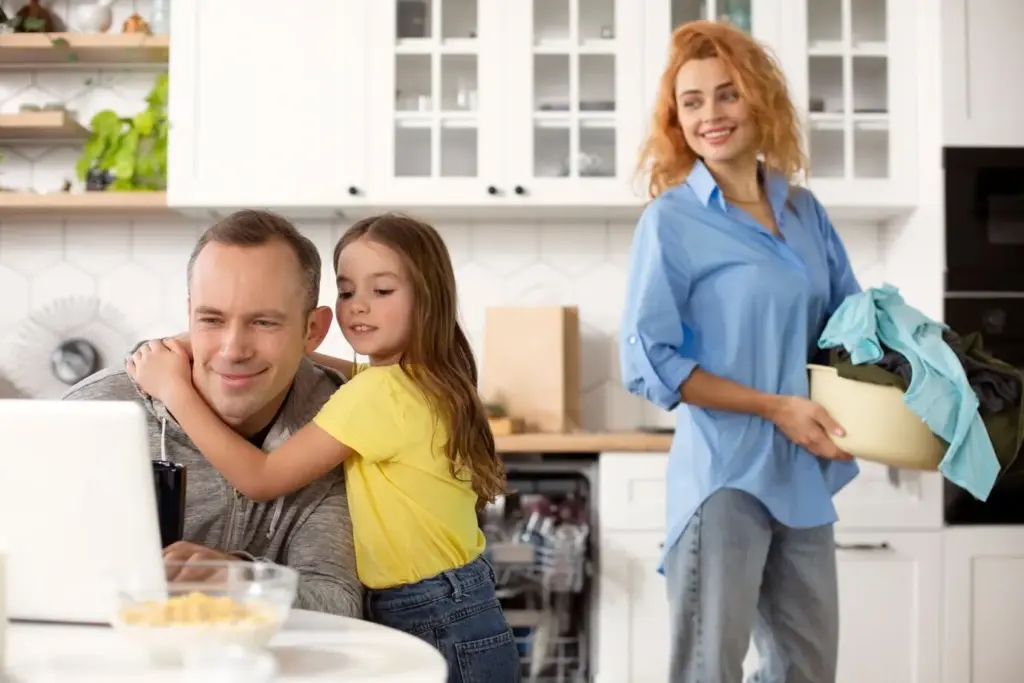
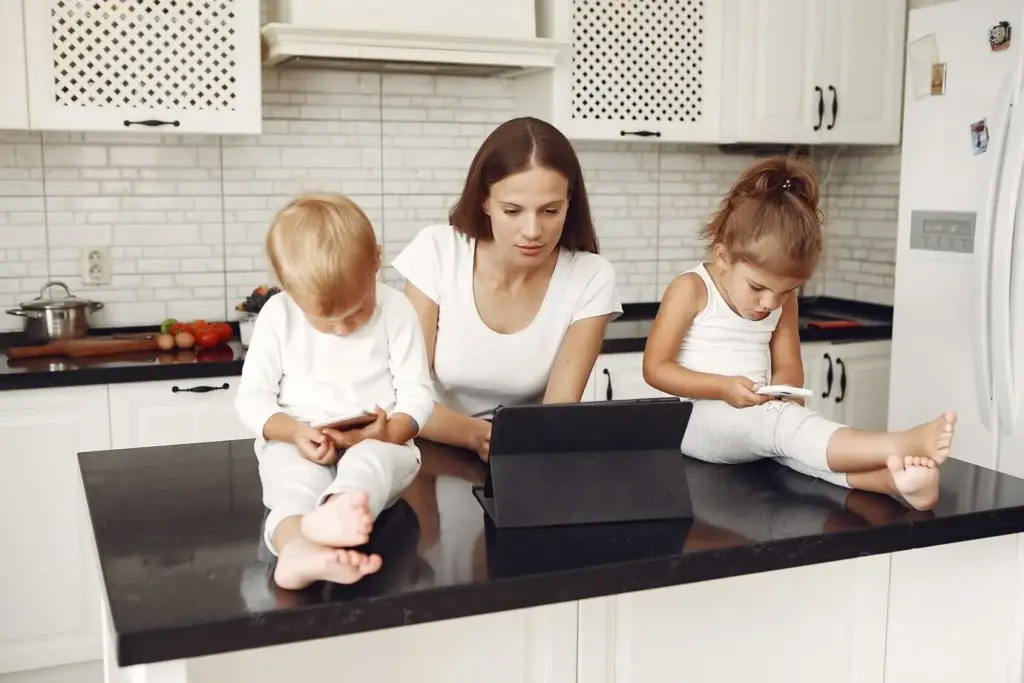
Starting fast matters, but staying engaged matters more. Combine autonomy, visible progress, and generous feedback so focus keeps renewing. When children feel ownership, see advancement, and hear acknowledgment, they withstand bumps, recover quicker, and finish with pride rather than sheer willpower alone.

Troubleshooting Sticky Moments

Begin with water, a breath, and sixty seconds outside if possible. Add light movement like wall push-ups or stair climbs. These sensory resets calm the body, raise alertness, and clear mental fog so children can re-enter work without shame or spiraling frustration.
Shift from what is wrong with you to what does the work need. Reframe mistakes as information, adjust the task size, or switch the order. Compassion sustains effort, teaches repair skills, and keeps the partnership strong when learning feels rocky or confusing.
Breaks help only when they are clear and contained. Offer choices like three minutes to stretch, drink, or draw a square. Use a sand timer, set a return signal, and confirm the next step so the restart feels gentle, predictable, and immediate.

Real-World Routines That Work

Stories reveal how flexible these ideas can become in real homes and classrooms. Notice the tiny details families keep and the ones they swap. Every routine reflects context, yet common threads remain: clarity, warmth, and a satisfying first success that unlocks momentum.

Design Your Family’s Jumpstart

You can craft a start that fits your family’s rhythms, sensory needs, and schedule. Collect ideas from above, pick just a few, and map them onto a short checklist. Test, learn, and refine until the beginning feels dependable, kind, and quick.
Thecraftedit
Privacy Overview

This website uses cookies so that we can provide you with the best user experience possible. Cookie information is stored in your browser and performs functions such as recognising you when you return to our website and helping our team to understand which sections of the website you find most interesting and useful.