Small Moments, Big Calm

Welcome, busy families! Today we dive into mini mindfulness exercises for parents and kids, turning spare minutes into connection, focus, and ease. You will find playful breaths, sensory adventures, and movement resets designed for real schedules, meltdowns, and miracle moments.

One-Minute Arrival

Before shoes, lunches, and logistics, stand together and take three slow breaths while noticing feet on the floor. Whisper one word for how your body feels right now. This gentle pause builds awareness quickly, signals safety, and invites cooperation without lectures or nagging.

Family Anchor Object

Choose a small stone, button, or ribbon that lives near the door. Each morning, everyone touches it and silently sets an intention, like listening kindly or moving slowly. The simple tactile cue supports memory, centers attention, and makes mindfulness as natural as grabbing keys.

Gratitude Pebbles

Place a tiny bowl of pebbles on the table. During breakfast, each person drops in one while sharing something appreciated, even if it is silly or small. Research links gratitude with resilience; the clink of a pebble reinforces the habit and creates a cheerful, shared ritual.

Breath Play: Bubbles, Feathers, and Counting Clouds

Breathing becomes engaging when it turns into a game. By giving lungs a job—balancing, floating, pacing—you invite curiosity and calm at the same time. These playful exercises regulate energy, lower stress, and encourage giggles, turning regulation into connection rather than correction or criticism.

Feather Float

Hold a feather at nose level and keep it aloft with light, steady exhales. Notice how gentle breaths work better than forceful ones. Kids learn pacing, parents soften shoulders, everyone watches the feather drift like a cloud, practicing patience, focus, and a relaxed jaw.

Bubble Breath Math

Blow bubbles, counting in for three, out for four, and watch which breaths make the biggest, shiniest spheres. Compare slow versus fast. Discuss how bodies feel afterward. The sparkling feedback loop rewards slowness, builds body-brain awareness, and transforms regulation into something eagerly requested after school.

Five-Finger Breathing

Trace one hand with the opposite index finger. Inhale up a finger, exhale down, noticing the tiny ridge of skin. Continue until all five are complete. The tactile rhythm grounds wandering thoughts, and kids love guiding parents’ hands, reversing roles and growing confidence through simple leadership.

Senses Awake: Tiny Adventures in Noticing

Mindfulness shines when senses lead the way. These mini adventures ask eyes, ears, noses, and fingertips to become curious scientists, collecting data from ordinary moments. The result is presence without pressure, joy without perfectionism, and a deeper appreciation for daily life’s overlooked details and comforts.

Move and Settle: Wiggle Then Still

Bodies often need movement before they can rest. These small, structured bursts release extra energy, making stillness possible afterward. By alternating motion and pause, children experience nervous-system balance, and adults discover a practical rhythm that turns chaos into momentum and then into comforting, cooperative quiet.

Shake-and-Freeze

Set a thirty-second timer and shake hands, feet, and shoulders like happy maracas. When the timer dings, freeze and feel your heartbeat. Two rounds release jitters, while the freezes teach awareness. The contrast between silly motion and stillness delivers calm without forcing anyone to sit perfectly.

Balloon Body Scan

Pretend each body part is a balloon inflating on inhale, softening on exhale. Start at toes, rise to head. Kids giggle at puffy elbows; adults notice tension leaving necks. This imaginative scan builds interoception, helping everyone sense and name comfort, discomfort, and sweet relief.

Animal Yoga Parade

Move like a cat stretching, a turtle tucking, a strong tree rooting, then pause to notice breath. Animal shapes invite play while lengthening muscles and guiding attention. Celebrate favorite poses, snap silly photos, and end with quiet paws, turning exercise into kindness for muscles and minds.

Feelings Friendly: Naming, Taming, and Sharing

Mood Thermometer

Draw a simple scale from chilly to toasty. Ask, “Where are you right now?” without judgment. This image turns intensity into information. Research suggests labeling emotions can calm the amygdala, giving the prefrontal cortex room to steer choices gently toward kindness, problem-solving, and patient listening.

Weather Words

Describe feelings like weather: sunny, windy, foggy, thunder with rain. Invite a forecast: “What might help the clouds move?” This playful metaphor normalizes change and supports regulation. Parents model honesty, kids practice self-advocacy, and everyone learns that storms end faster when named and noticed kindly.

Kindness Postcards

Cut paper into small cards and write short appreciations for family members. Hide them in lunchboxes or pillows. Kindness strengthens bonds and counters negativity bias. As kids create, they rehearse empathy; as adults receive, they soften. Collect saved cards for a hard-day reminder of shared goodness.

Night Nests: Wind-Down Practices the Brain Loves
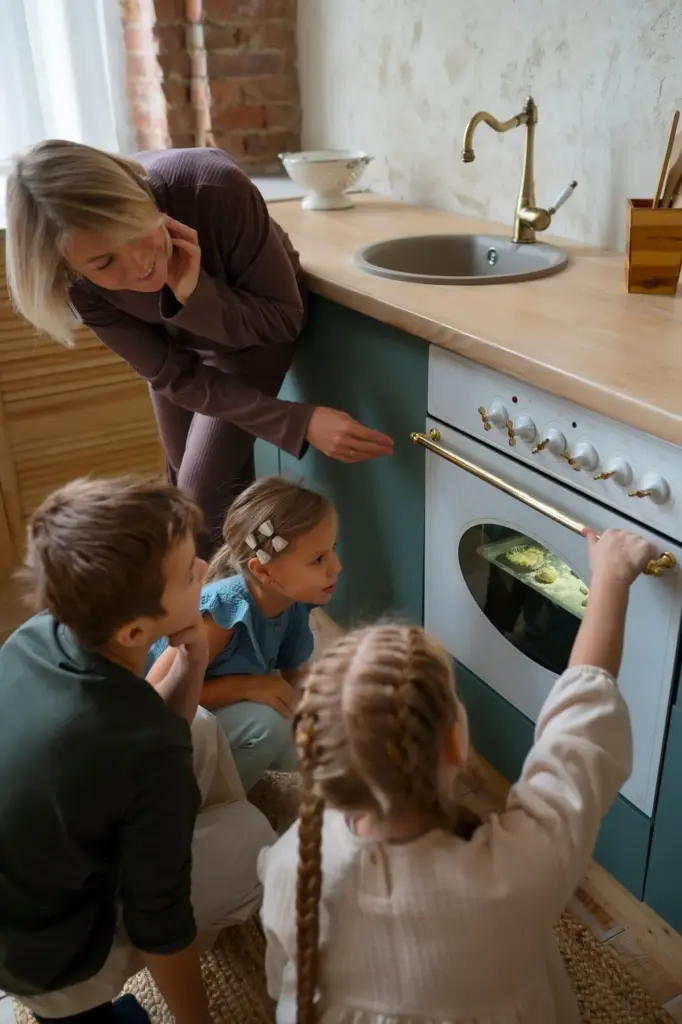
Evenings invite restoration, yet bedtime can be bumpy. These brief wind-down practices signal safety to sleepy brains, easing transitions without power struggles. Gentle breath, cozy imagery, and predictable rituals help children drift while giving parents a peaceful close to the day’s beautiful, messy journey.
Thecraftedit
Privacy Overview

This website uses cookies so that we can provide you with the best user experience possible. Cookie information is stored in your browser and performs functions such as recognising you when you return to our website and helping our team to understand which sections of the website you find most interesting and useful.